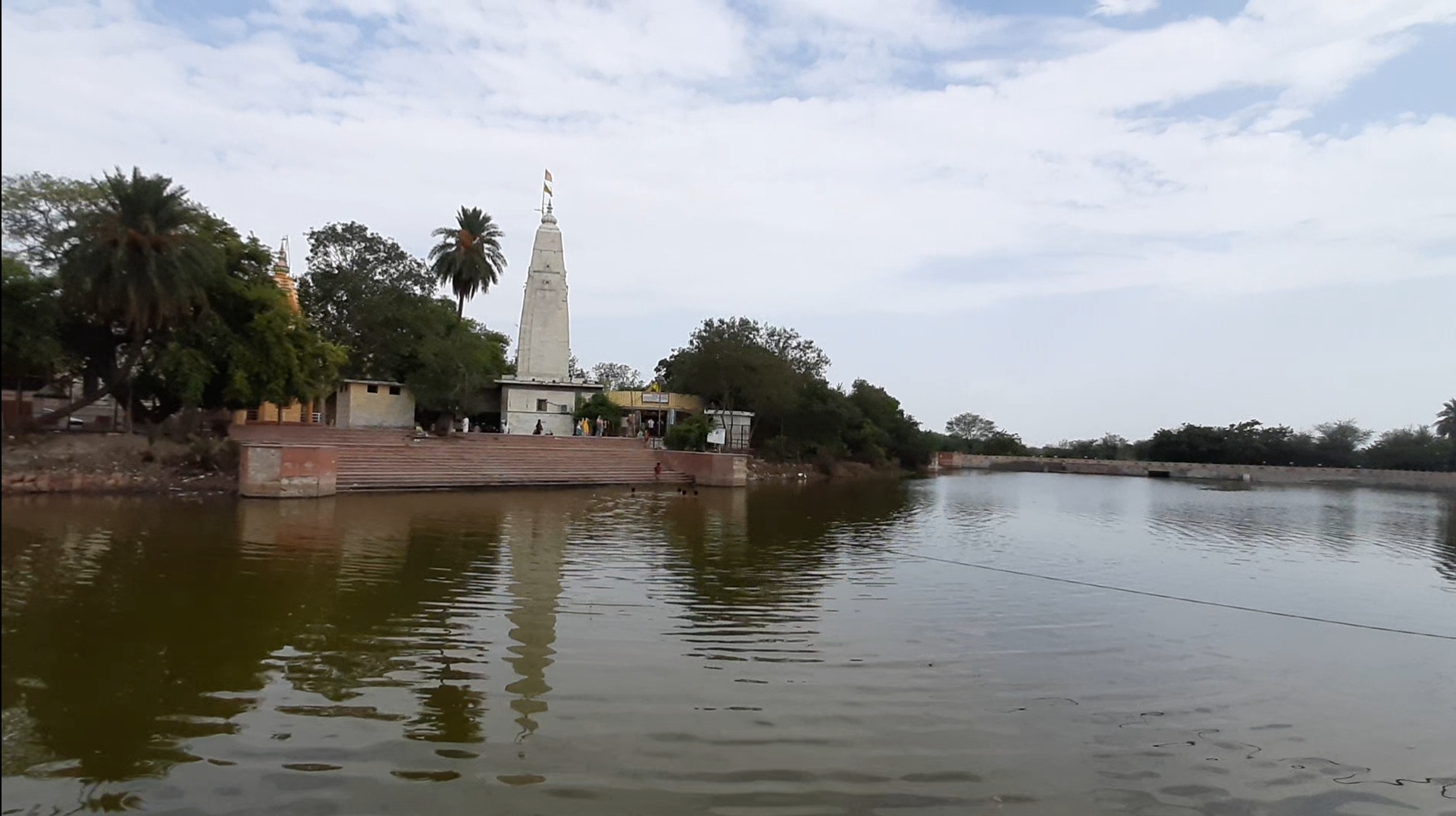
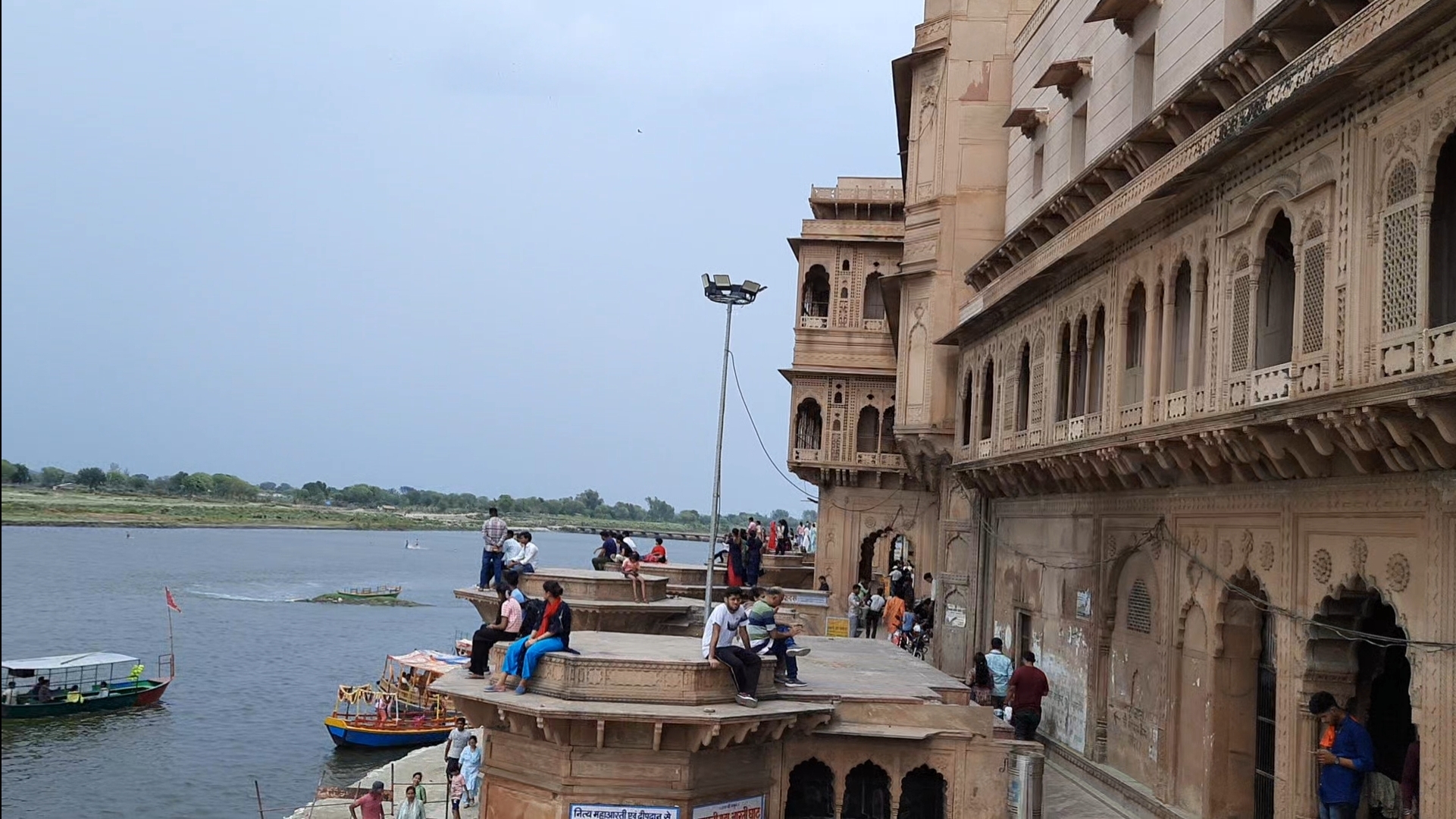
मथुरा उत्तर प्रदेश में स्थित हिन्दू धर्म के सात पवित्र नगरों (सप्तपुरियों) में से एक है। यह भगवान श्रीकृष्ण की जन्मभूमि होने के कारण सम्पूर्ण विश्व में विशेष श्रद्धा का केन्द्र है। पवित्र यमुना नदी के तट पर स्थित यह नगर सम्पूर्ण ब्रजभूमि का हृदय माना जाता है।
मथुरा भगवान श्रीकृष्ण की दिव्य जन्मस्थली है। श्रीकृष्ण जन्मभूमि मंदिर परिसर को वह पावन स्थान माना जाता है जहाँ भगवान श्रीकृष्ण ने कारागार में अवतार लिया था। जन्माष्टमी के अवसर पर यहाँ लाखों श्रद्धालु भगवान के दर्शन हेतु पहुँचते हैं तथा सम्पूर्ण नगर भक्ति और उत्सव के दिव्य वातावरण से आलोकित हो उठता है।
वैदिक युग में मथुरा को मधुपुरी के नाम से जाना जाता था। छठी शताब्दी ईसा पूर्व में यह शूरसेन राज्य की राजधानी बनी तथा बाद में मौर्य साम्राज्य का महत्वपूर्ण केन्द्र रही।
कुषाण साम्राज्य के शासनकाल में मथुरा कला, संस्कृति एवं व्यापार का प्रमुख केन्द्र बन गई। इसी काल में विश्वप्रसिद्ध मथुरा कला शैली का विकास हुआ, जिसकी मूर्तिकला आज भी भारतीय कला की अमूल्य धरोहर मानी जाती है।
मध्यकाल में मथुरा पर अनेक विदेशी आक्रमण हुए। महमूद गजनवी (1018 ई.) तथा सिकन्दर लोदी के आक्रमणों के कारण अनेक प्राचीन मंदिरों को क्षति पहुँची।
सत्रहवीं शताब्दी में मुगल सम्राट औरंगज़ेब के समय श्रीकृष्ण जन्मस्थान के समीप शाही ईदगाह का निर्माण हुआ, जिससे यह क्षेत्र भारतीय इतिहास का एक महत्वपूर्ण अध्याय बन गया।
भगवान श्रीकृष्ण की दिव्य जन्मस्थली के रूप में प्रतिष्ठित यह मंदिर सम्पूर्ण ब्रज का प्रमुख तीर्थ है।
अपनी भव्य वास्तुकला, उत्कृष्ट शिल्पकला एवं विशाल उत्सवों के लिए प्रसिद्ध यह मंदिर भगवान श्रीकृष्ण के प्रमुख मंदिरों में से एक है।
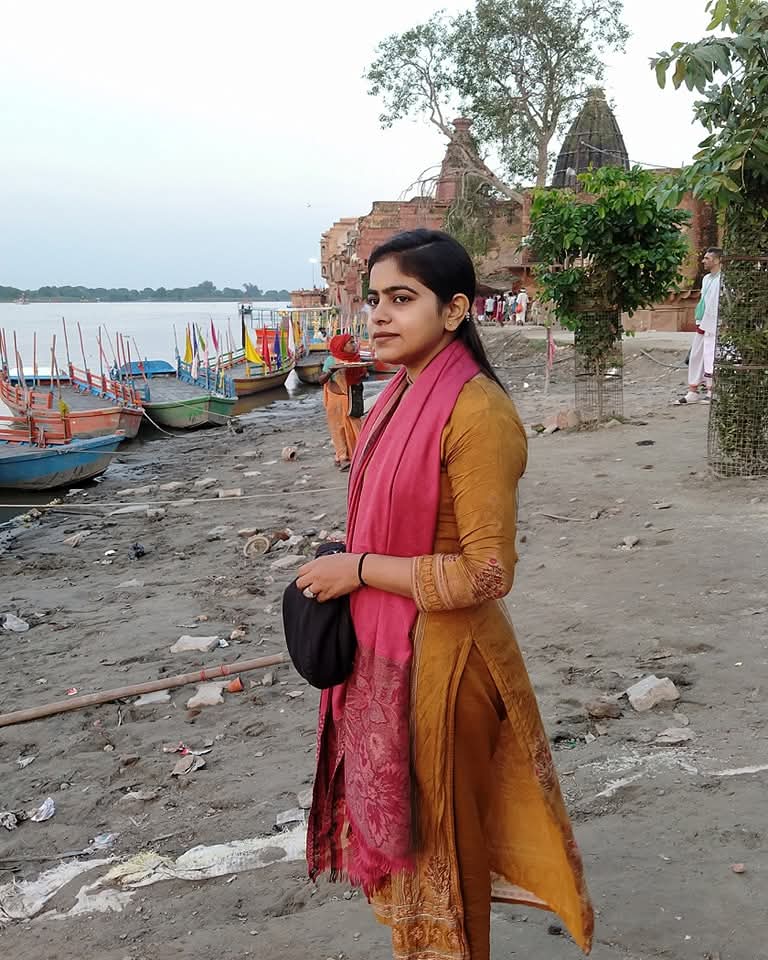
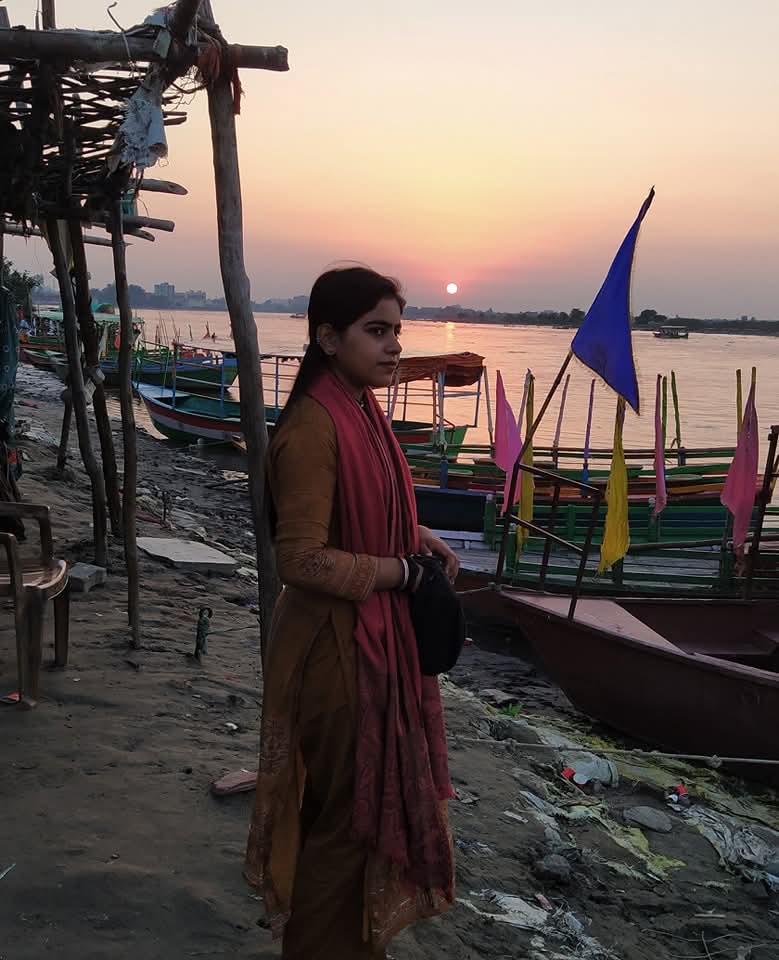
यमुना नदी के तट पर स्थित यह पवित्र घाट वह स्थान माना जाता है जहाँ कंस वध के पश्चात भगवान श्रीकृष्ण ने विश्राम किया था। यहाँ संध्या आरती अत्यंत मनोहारी होती है।
यह वही दिव्य पर्वत है जिसे भगवान श्रीकृष्ण ने अपनी कनिष्ठिका अंगुली पर धारण कर सम्पूर्ण ब्रजवासियों की रक्षा की थी। गोवर्धन परिक्रमा आज भी करोड़ों श्रद्धालुओं की प्रमुख आस्था है।
यह संग्रहालय प्राचीन मूर्तियों, सिक्कों, शिलालेखों एवं ऐतिहासिक धरोहरों का अद्भुत संग्रह प्रस्तुत करता है तथा मथुरा की प्राचीन सांस्कृतिक विरासत का महत्वपूर्ण केन्द्र है।
मथुरा में जन्माष्टमी अत्यंत भव्य रूप से मनाई जाती है। मध्यरात्रि में भगवान श्रीकृष्ण के जन्मोत्सव, भजन, संकीर्तन एवं झाँकियों का दिव्य आयोजन सम्पूर्ण वातावरण को भक्तिमय बना देता है।
मथुरा एवं सम्पूर्ण ब्रज क्षेत्र की होली विश्वप्रसिद्ध है। विशेष रूप से बरसाना की लठमार होली, नन्दगाँव की होली, फूलों की होली, रंगभरनी एकादशी तथा हुरंगा उत्सव देश-विदेश से आने वाले श्रद्धालुओं एवं पर्यटकों के आकर्षण का प्रमुख केन्द्र हैं।
ब्रजभूमि, वृन्दावन और मथुरा केवल तीर्थस्थल नहीं, बल्कि भगवान श्रीराधा-कृष्ण की दिव्य प्रेममयी लीलाओं का जीवंत धाम हैं। यहाँ की प्रत्येक धूलि, प्रत्येक कुंज, प्रत्येक मंदिर और प्रत्येक घाट श्रद्धालुओं को भक्ति, प्रेम, सेवा और आध्यात्मिक आनंद का अनुपम अनुभव कराते हैं। ब्रज की यात्रा मनुष्य को केवल दर्शनों का सौभाग्य ही नहीं देती, बल्कि आत्मा को भगवान के दिव्य प्रेम से जोड़ने का अमूल्य अवसर भी प्रदान करती है।
॥ जय श्री राधे ॥
Mathura, located in Uttar Pradesh, India, is one of Hinduism's seven sacred cities and is revered as the birthplace of Lord Krishna. Situated along the Yamuna River, it forms the heart of the Braj Bhoomi region, which encompasses numerous sites associated with Krishna's life and legends.
Mathura holds immense religious importance as the traditional birthplace of Lord Krishna, a central figure in Hinduism. The city is a major pilgrimage destination, especially during Janmashtami, the festival celebrating Krishna's birth. The Shri Krishna Janmabhoomi temple complex, believed to be built over the prison cell where Krishna was born, is a focal point for devotees.
1. Ancient Period: Mathura's history dates back to the Vedic period, around 1500 BCE, when it was known as "Madhupuri." It became the capital of the Surasena Kingdom in the 6th century BCE and later came under the rule of the Maurya Empire.
2. Classical Era: The city flourished under the Kushan Empire, becoming a significant center for art and culture. The Mathura School of Art, known for its distinctive sculptures, emerged during this time.
3. Medieval Period: Mathura faced several invasions, including those by Mahmud of Ghazni in 1018 CE and later by Sikandar Lodi in the 15th century, leading to the destruction of many temples.
4. Mughal Era: In the 17th century, Emperor Aurangzeb built the Shahi Eidgah Mosque adjacent to the Krishna Janmasthan temple, leading to a complex history of shared religious spaces
1. Janmashtami: Celebrated with great fervor, this festival marks the birth of Lord Krishna and includes midnight prayers, devotional singing, and reenactments of Krishna's life.
2. Holi: The festival of colors is celebrated with unique traditions in Mathura, especially the Lathmar Holi in Barsana and Nandgaon, where women playfully hit men with sticks.
॥ Jai Shri Radhe ॥
Sheetal Chaya
Vrindavan, (U.P.) INDIA.
+91- 9992836036, +91-9992837037